
When faced with the daunting task of approaching SAT essay prompts, many students may feel overwhelmed and unsure of how to proceed. However, with the right strategies in place, they can tackle these prompts with confidence and skill. It is essential for he or she to understand the specific requirements of the SAT essay, including the importance of organization, analysis, and supporting evidence. Additionally, they should prioritize time management and practice effective writing techniques in order to maximize their score potential. This blog post will provide valuable insights and tips for approaching SAT essay prompts, empowering students to excel in this crucial aspect of the test.
Contents
Key Takeaways:
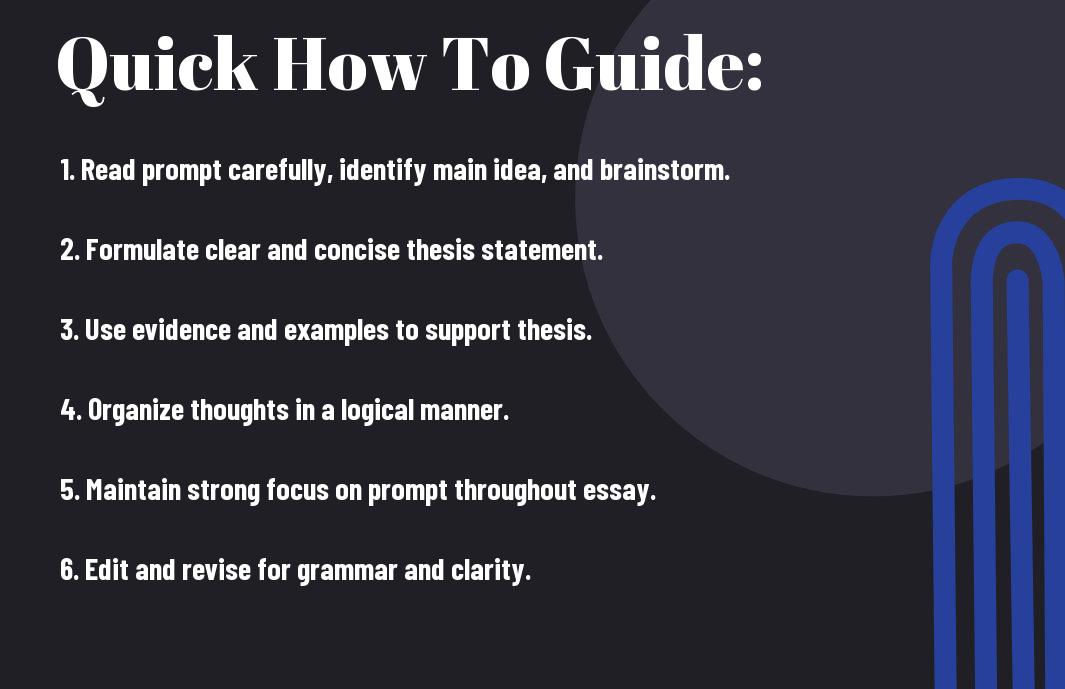
- Understand the prompt: Take the time to carefully read and analyze the essay prompt, identifying the key components and what is being asked of you.
- Develop a clear thesis: Craft a strong and concise thesis statement that directly responds to the prompt, outlining the main points you will address in your essay.
- Use specific examples and evidence: Incorporate real-life examples, quotes, and data to support your arguments and demonstrate your critical thinking skills.
- Organize your essay effectively: Structure your essay with a clear introduction, body paragraphs, and conclusion, ensuring a logical flow of ideas and transitions between paragraphs.
- Proofread and revise: Take the time to review and edit your essay for grammar, clarity, and coherence to ensure it is well-written and effectively communicates your ideas.
Strategies for Analyzing SAT Essay Prompts
If a student wants to excel in tackling SAT essay prompts, it’s essential to have effective strategies for analyzing the given prompts. This involves carefully understanding the requirements and identifying the key factors and themes.
Reading and Comprehending the Prompt
Before diving into crafting the essay, it is crucial for the student to thoroughly read and comprehend the prompt. They should pay attention to the specific instructions, the issue presented, and the task at hand. This thorough reading will ensure that the student does not miss out on any important information that could affect their response to the essay question.
Identifying Key Factors and Themes
Following the reading of the prompt, the student should focus on identifying the key factors and themes presented. This involves looking for the main keywords that indicate the central theme or issue being discussed. They should also look for any underlying assumptions or biases in the prompt. Recognizing these key factors and themes will allow the student to craft a well-structured and well-informed argument in their essay.
- Main Keywords: Identify any words or phrases that stand out and are crucial to the topic.
- Underlying Assumptions: Look for any implicit assumptions or biases in the prompt that may need to be addressed in the essay.
How-To Approach Writing the Essay
For students approaching the SAT essay prompt, it is essential to have a clear strategy in place to effectively tackle the task. A well-structured and organized approach can make the essay-writing process more manageable and result in a more polished final product.
Tips for Crafting a Strong Thesis Statement
When crafting a thesis statement for the SAT essay, it is crucial to clearly state the main argument or point of view that the essay will address. This statement should be succinct, focused, and provide a roadmap for the rest of the essay. Emphasize the main keywords or central concepts in the prompt, and use them to guide the development of the thesis statement. A strong thesis statement not only sets the tone for the essay but also provides a clear direction for the writer and the reader. It is the anchor that holds the entire essay together and should be carefully constructed to effectively convey the writer’s stance. Though it may seem challenging, a well-crafted thesis statement can greatly improve the overall quality of the essay.
Outlining Your Essay for Clarity and Flow
Before diving into the writing process, it is advisable to create an outline that organizes the main points and supporting details of the essay. An outline provides a clear structure for the essay, ensuring that each paragraph flows logically and cohesively from one to the next. It helps the writer stay focused on the main argument and prevents the essay from becoming disjointed or unfocused. Additionally, an outline can also serve as a reference point to ensure that all important aspects of the prompt are adequately addressed. By outlining the essay beforehand, students can approach the writing process with greater clarity and direction, leading to a more effective and well-organized essay.
Writing Techniques to Boost Your Essay Score
Despite the time constraints of the SAT essay, there are several writing techniques that can significantly improve your essay score. By implementing these strategies, test-takers can effectively organize their ideas, utilize evidence to support their arguments, and maintain a formal tone and style throughout their essays.
Utilizing Evidence Effectively
When crafting an SAT essay, it is essential to utilize evidence effectively to support the main argument. Test-takers should incorporate relevant and specific examples from literature, history, current events, or personal experiences to strengthen their points. Additionally, he or she should ensure that the evidence directly relates to the thesis statement and effectively reinforces the argument. By effectively utilizing evidence, test-takers can demonstrate their ability to critically analyze and support their claims, ultimately boosting their essay score.
How to Maintain a Formal Tone and Style
One key aspect of acing the SAT essay is maintaining a formal tone and style throughout the writing. Test-takers should utilize sophisticated vocabulary and sentence structure to convey their ideas in a clear and refined manner. They should also avoid slang, contractions, and overly informal language to adhere to the formal expectations of the essay. By consistently maintaining a formal tone and style, test-takers can effectively communicate their arguments and leave a positive impression on the essay graders.
Time Management for the SAT Essay
Your approach to time management can significantly impact the quality of your SAT essay. Proper time management ensures that you have enough time to brainstorm, organize your thoughts, write a cohesive essay, and review and edit it before time runs out. Here are some effective strategies to manage your time effectively for the SAT essay.
Allocating Your Time Wisely
When tackling the SAT essay prompt, it’s crucial to start by allocating your time wisely. Spend a few minutes at the beginning to read the prompt carefully and plan your response. Allocate around 5-10 minutes to brainstorm and outline your essay. Ensure that you have a clear thesis statement and a well-organized structure before diving into writing. This initial investment of time will pay off as you write your essay with a solid roadmap, making the writing process much smoother and more efficient.
Final Review and Edits Within Time Constraints
Once you have finished writing your SAT essay, it’s essential to leave some time for a final review and edits within the time constraints. Set aside 3-5 minutes at the end to quickly scan through your essay for any glaring grammatical errors, spelling mistakes, or points that need clarification. This final review ensures that your essay is polished and presents your ideas clearly. It’s crucial to strike a balance between perfecting your essay and making sure you don’t run out of time. Remember, the goal is to produce a strong piece of writing within the allotted time.
Conclusion
Drawing together the various strategies discussed, it is clear that the best approach to SAT essay prompts involves carefully analyzing the prompt, developing a strong thesis, and including relevant examples and evidence to support the argument. Additionally, utilizing a clear organizational structure and effective language can help create a well-structured and compelling essay. By practicing these strategies, students can improve their ability to effectively respond to SAT essay prompts and increase their chances of earning a higher score on this portion of the test. Overall, developing a comprehensive approach to SAT essay prompts can lead to more confident and successful performance on test day.
FAQ
Q: What are the best strategies for approaching SAT essay prompts?
A: The best strategies for approaching SAT essay prompts include carefully analyzing and understanding the prompt, creating a strong thesis statement, and providing specific and relevant examples to support your thesis.
Q: How can I effectively analyze an SAT essay prompt?
A: To effectively analyze an SAT essay prompt, you should carefully read and identify key words and phrases in the prompt, determine the central theme or argument, and consider any underlying assumptions or perspectives that may be present.
Q: What are some tips for providing strong examples in an SAT essay?
A: When providing examples in an SAT essay, it’s important to choose specific and relevant examples that directly support your thesis statement. Additionally, you should explain how each example relates to the prompt and effectively use evidence and details to strengthen your argument.